news
State of Mind Column- Navigating Hard Conversations-Youth Suicide Prevention
Romaree Herbert · 1 de octubre de 2026
Romaree Herbert
Elementary school is a time of innocence, new beginnings, and learning how to make a place in the world for our young little minds...making new friends, going to recess and P.E., playdates and exciting school field trips, exploring the city are just some of the ways kiddos learn about the world around them, The concept of suicide should not have a place in this picture. Shockingly though, in today’s society the threat of it does.
A few years ago, after picking up my then, nine year-old son from third grade, he told me that he had something very important to tell me. Usually these conversations were about figuring out how he could stay up later on the weekends, or earn some money to buy the newest Lego set. However, what he shared with me “blew me so far off to see the wizard” that I realized I needed to come to grips with, and change my mindset about what is happening amongst our youth in today's world.
As we drove home, he got very serious and quiet, and whispered to me that his friend had confided in him, telling him that he was very sad, and no longer wanted to live. The word suicide, was not mentioned, but the sentiment was clear, and my son felt helpless and lost, not knowing how to move forward with this information. I was also at a loss for words, shocked by what I had just heard from my 9 year-old, and as his Mommy, clueless about how to move forward with this information.
Hearing this topic brought up by my young child was very unsettling. The most important thing I could do at that moment was to listen to everything he explained to me. I then thanked him for sharing this with me, and reassured him that we would get the best help for his friend, while also beginning a difficult, but important conversation about how to navigate the topic of suicide.
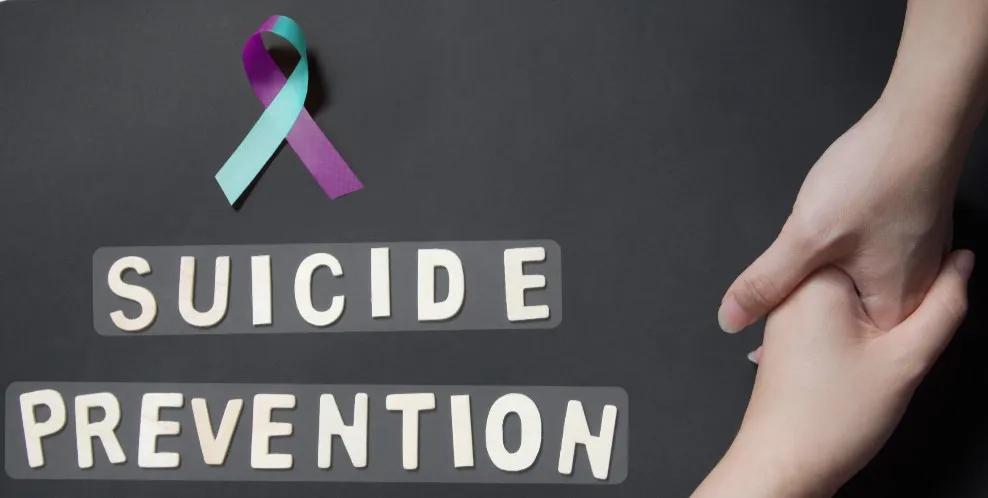
September is Suicide Prevention Awareness Month, a crucial time to address mental health openly, and combat the rising rates of self-harm in young people. While suicide is the second leading cause of death for children between the ages of 10 to 14 years old, talking about it early helps build essential safety nets. When it comes to elementary-age kids, the goal isn't to explain complex crises, but rather to foster emotional awareness, normalize asking for help, and teach them that no problem is too big to share.
For younger children (grades K-2), education should focus entirely on emotional vocabulary and identifying trusted adults. Coming up with ways to explain our own feelings, help the child understand their own feelings.
Saying something like: "Sometimes our feelings get so big, heavy, or sad that they feel too hard to carry alone. It is completely okay to feel that way, but you never have to keep those feelings a secret. If you ever feel overwhelmed, or so sad that you want to hide, you can always tell me, a teacher, or a school counselor, and we will help you feel safe again.” At this age, building trust, and the absolute certainty that they can reach out to an adult is the most powerful preventative tool.
For older elementary children (grades 3-5) who may have already heard the word “suicide," conversations can be slightly more direct, but should remain simple and grounded in Health.
Experts at organizations like the Kids Mental Health Foundation suggest framing mental health just like physical health. You might explain: "Just like our bodies can get sick with a cold, our brains can get sick with a deep sadness or sickness called depression. When someone is that sick, their brain might give them the wrong idea that they shouldn't be alive anymore. But just like going to a doctor for a broken bone, there are doctors and counselors who know exactly how to treat brain illnesses and help people feel better. If you or a friend ever talk or write about wanting to disappear or not be here, it is a sign that help is needed right away.
By educating elementary students about these facts, we reinforce that struggling is normal, but struggling alone is unnecessary. It is pertinent to keep the door wide open for tough conversations because this is a time to teach our children that mental health is a priority and that help is always within reach.
According to the Center for Disease Control, more than 41,000 people die by suicide each year. The CDC explains that suicide is the tenth leading cause of death of adults
in the United States, and the 2nd leading cause of death among people ages 10-24, with rates increasing each year. Contributing factors include bullying, family problems, and mental health issues.
Family members and friends are left behind, suffering, trying to navigate their way through their loss. Suicide is complicated and determined by several factors, such as trauma, social isolation, mental illness, substance abuse, painful losses, and exposure to violence. Prevention and early intervention are critical for youth ages 10–24 because they are at a significant risk for suicide. Access to mental health resources, and safe and supportive environments can help ease these risks.
Today, the 988 Suicide and Crisis Lifeline (formerly known as the National
Suicide Prevention Hotline), has taken over, and is easily accessible to anyone across the United States. These centers are supported by local and state sources, as well as the Department of Health and Human Services’ Substance Abuse and Mental Health Services Administration.
This nationwide number 988 is easy-to remember, and is a direct connection to compassionate support for anyone experiencing mental health related emotional pain. This includes thoughts of suicide, mental health, or even substance abuse concerns. People can also dial 988 if they are worried about a loved one who may need crisis support. Calls and texts will reach the 988 Lifeline. It serves as a universal entry point so that no matter where you live in the U.S., you can reach a trained crisis counselor who can help.
In the past it was taboo to talk about suicide, and many people did what they could to survive. Now, as suicide becomes more prevalent among young people, it is more recognized and understood as a leading cause of death. Everybody in the community has a role in promoting awareness, reducing stigma, and providing support to prevent suicide. If you or someone you know are in crisis, you are not alone, care and help are available.
Now is the time to raise awareness about the alarming rates of suicide, and to acknowledge the millions of people who have been impacted by suicide. It is also a time to communicate messages of healing and hope and to promote positive measures to reduce these rates.