culture
Howdy everyone. In this issue I’d like to take a few moments to share with you a little history about the Pledge’s. We just finished commemorating Veterans Day; a celebration dedicated to all our Vets of all the conflicts. We celebrate the Vets and their families for many reasons. Mostly because without them, who knows what language we might be speaking. Or what codes of conduct, morays, political persuasions, or religions we might be coerced or even forced to follow. Besides our flags’ stars and stripes, what elevates our esprit de corps or patriotism? The Pledge of Allegiance and our National Anthem immediately come to mind. And like 16 other states, our Texas Pledge of Allegiance. So where did they come from and why?
CityBeat Magazine · 1 de diciembre de 2023
Let me share a little of this great history with you. Let’s start with the Pledge of Allegiance. A Civil War veteran named Captain George T. Balch wrote the first version in 1885 which he then followed up with a book on how to teach children patriotism in public schools and especially immigrants, a tradition that continues even today. Captain Balch felt that patriotism had been waning since the end of the Civil War 20 years earlier. He even lobbied to provide free American flags for every classroom in the U.S.A. Here’s his version:
“We give our heads and hearts to God and our country; one country, one language, one flag”!
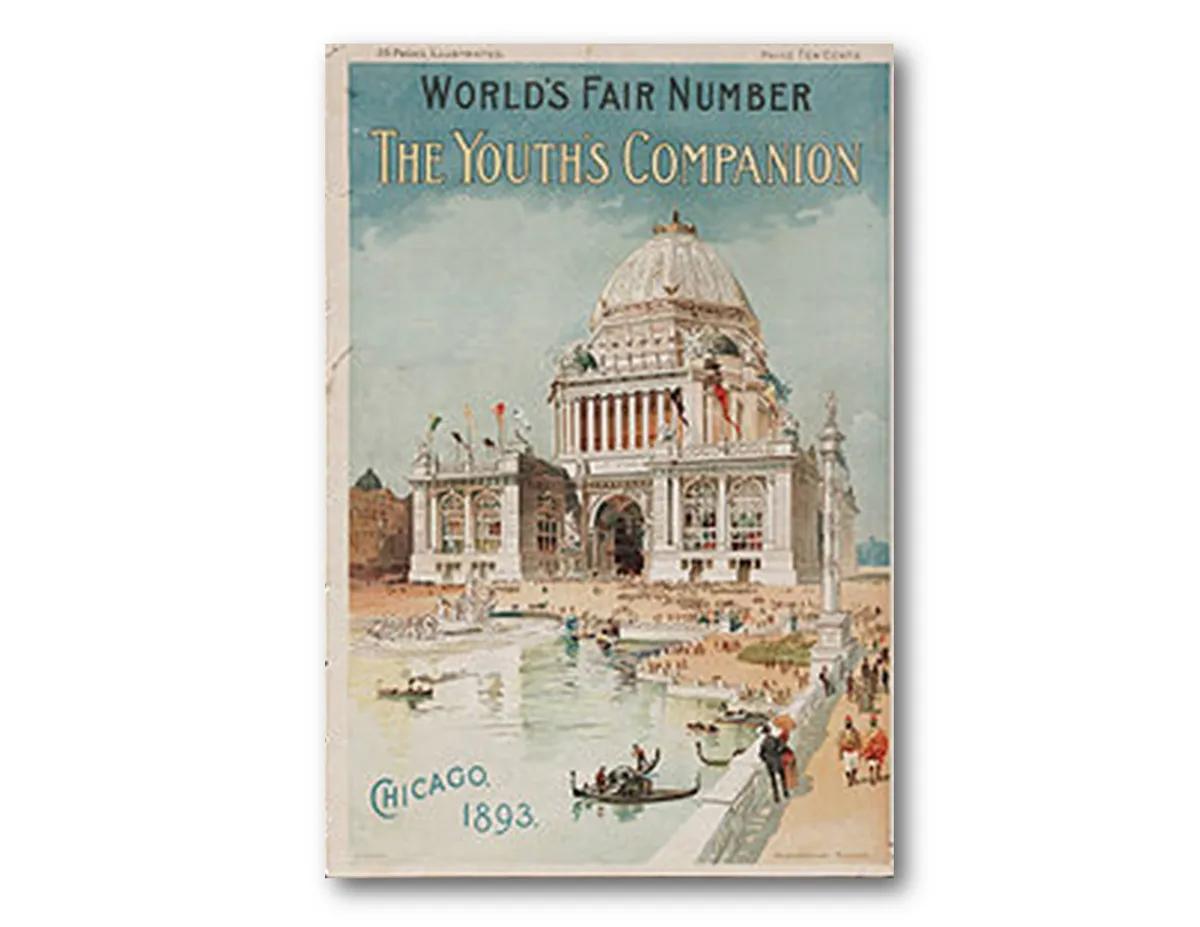
Seven years later Reverand Francis Bellamy revised Balch’s’ pledge in part to celebrate Christopher Columbus’ 400th anniversary of landing in the America’s. Bellamy who was the circulation manager of a much publicized “The Youth’s Companion”* magazine assisted in persuading President Benjamin Harrison in instituting Columbus Day as a national holiday. Leaflets were sent out to thousands of classrooms across the U.S. citing a national day to recite the Pledge, October 21, 1892. Estimates were placed at more than 10,000 school age children recited it simultaneously.
“I pledge allegiance to my Flag and the Republic for which it stands, one nation, indivisible, with liberty and justice for all”.
Then in 1916 another edit was done; I pledge my head, my hand, my heart………
At the 1923 at the National Flag Conference one more iteration was introduced to ally us more closely to the U.S.:
"I pledge allegiance to the Flag of the United States of America and to the Republic for which it stands, one nation, indivisible, with liberty and justice for all."
As we drew closer to WWII what was known as the “Bellamy Salute” was modified. At a signal from the Principal the pupils, in ordered ranks, hands to the side, face the Flag. Another signal is given; every pupil gives the flag the military salute — right hand lifted, palm downward, to a line with the forehead and close to it. Standing, all repeat together, slowly, "I pledge allegiance to my Flag and the Republic for which it stands; one Nation indivisible, with Liberty and Justice for all." At the words, "to my Flag," the right hand is extended gracefully, palm upward, toward the Flag, and remains in this gesture till the end of the affirmation; whereupon all hands immediately drop to the side. It kind of looked like the salute more akin to the fascist regimes of Hitler and Mussolini. This salute was promptly abandoned, Good call!
The Pledge remained officially unchanged until 1951 when “Under God” was introduced. But it wasn’t until 1954 when a newly Baptized President Dwight Eisenhower embraced the edited version and proudly signed the bill authorizing the change Flag Day June 14, 1954.
Now how about our Texas Pledge? We in this great state haven’t experienced quite the number of changes as the U.S.A. It started out. “Honor the Texas Flag of 1836; I pledge allegiance to thee, Texas, one and indivisible." While it sounds strangely familiar, there was one glaring problem, it was a pledge to David Burnett’s flag and not the Lone Star Flag. It wasn’t until 1951 that a state senator introduced a bill to correct this error. Moving at the speed of a snail, the legislation didn’t officially delete the date “1836” until 1965. Then once again with lightning speed, House Bill 1034 passed legislation to add “one state under God”, in 2007, a mere 42 years later. To this day we proudly say;
"Honor the Texas flag; I pledge allegiance to thee, Texas, one state under God, one and indivisible."
Now back to my intro, we live in a country that doesn’t threaten us into standing and repeating these pledges, and yet millions have come here, some under the harshest of conditions and proudly stand, place their hands over their hearts and recite these Pledges. Thank you, all our fellow veterans and your families for making this possible.
Credits” Smithsonian Magazine, Daughters of the Republic of Texas Magazine, Encyclopedia Britannica, Hathi Trust
*Published from 1829 through 1897, “The Youths Companion” was read by many including author Erle Stanley Gardner who borrowed the name of one of the early magazine’s publisher’s for the name of his famous fictional attorney/detective “Perry Mason”.